
Dog Exercise Plans by Age and Breed Group
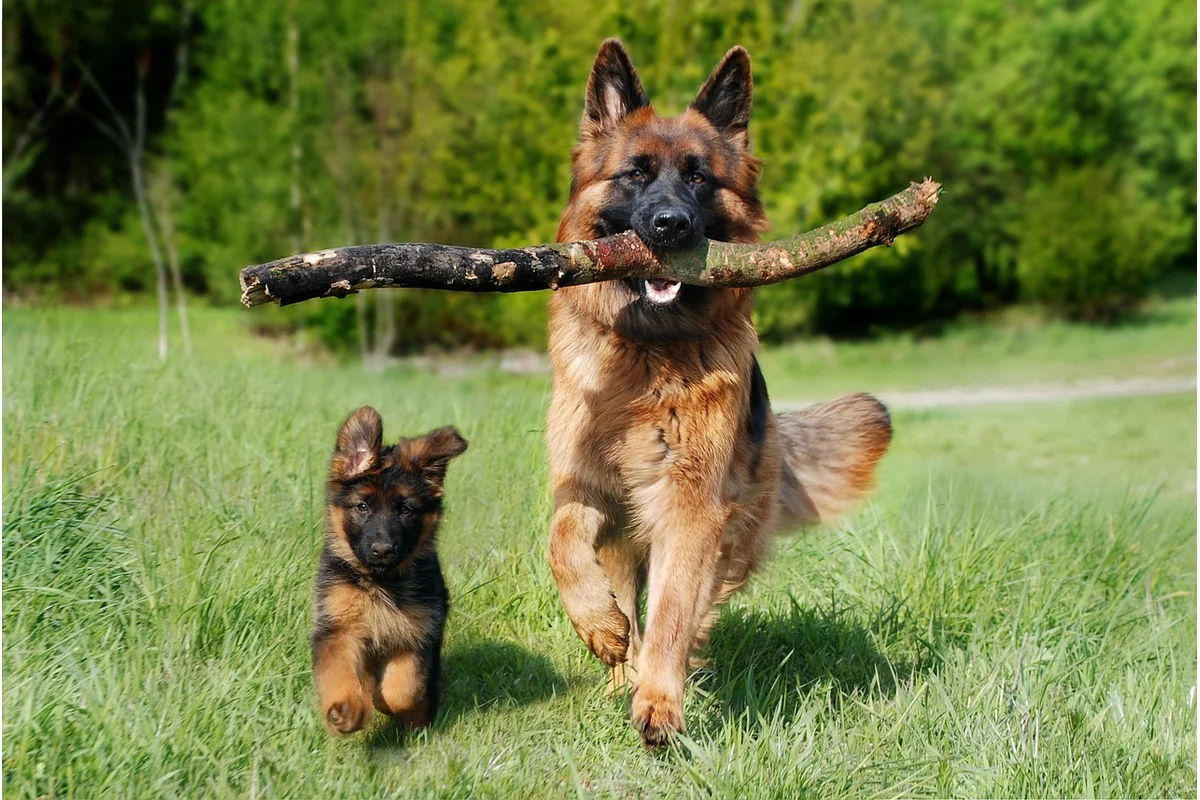
Regular exercise supports weight control, joint health, and mental well-being. The right plan depends on a dog's age, breed group, and lifestyle. Use these guidelines to build a routine that is safe and consistent.
Puppies (0-12 months)
Puppies need short, frequent sessions rather than long runs. Their joints are still developing, so aim for multiple play bursts throughout the day.
- Keep structured walks short and easy.
- Use training games to build focus and confidence.
- Allow plenty of nap time to recover.
Adult Dogs (1-7 years)
Adult dogs benefit from a mix of aerobic exercise and mental work. Working and sporting breeds usually need more activity, while toy breeds may need shorter but more frequent movement.
- Mix walks, fetch, and training drills.
- Use enrichment toys to reduce boredom.
- Adjust volume based on energy level and weight.
Senior Dogs (7+ years)
Seniors still need daily movement, but intensity should be gentle. Shorter walks, controlled play, and joint-friendly surfaces help reduce strain.
- Break exercise into shorter sessions.
- Warm up with light movement before active play.
- Monitor signs of fatigue or stiffness.
Breed Group Considerations
Breed groups have predictable energy needs. Working, herding, and sporting dogs often need higher daily totals, while toy and non-sporting dogs may need less.
If a dog has health issues, confirm exercise limits with your veterinarian. The goal is steady activity that supports healthy weight and behavior without causing discomfort.