
Puppy Training Basics
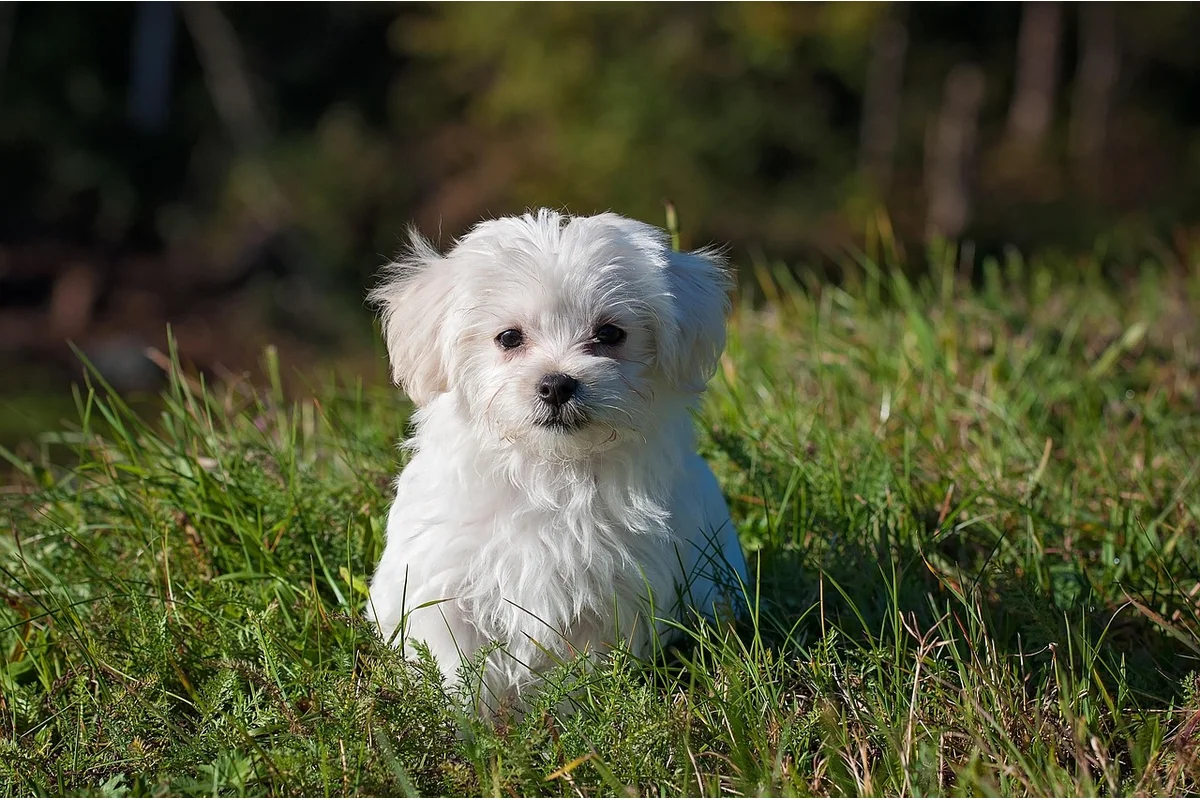
Puppy Training Basics: Your Complete Guide
Bringing home a new puppy is exciting, but it also comes with the responsibility of proper training. Early training sets the foundation for a well-behaved adult dog. Here's everything you need to know about puppy training basics.
When to Start Training
Start Immediately: Training should begin the moment your puppy comes home, typically around 8 weeks old. Puppies are capable of learning from a very young age, and early socialization is crucial for their development.
Potty Training
The Foundation
Potty training requires patience, consistency, and positive reinforcement.
Key Steps:
-
Establish a Routine: Take your puppy out:
- First thing in the morning
- After meals (within 15-30 minutes)
- After naps
- Before bedtime
- Every 1-2 hours during the day
-
Choose a Spot: Designate a specific outdoor area for bathroom breaks
-
Use a Command: Use a consistent phrase like "Go potty" while they're eliminating
-
Reward Immediately: Praise and treat within seconds of successful potty breaks
-
Supervise Constantly: Watch for signs like sniffing, circling, or whining
Accident Management:
- Never punish accidents - clean thoroughly with enzymatic cleaner
- If caught in the act, calmly interrupt and take outside immediately
- Track patterns to prevent future accidents
Basic Commands
Sit
Why it's important: Foundation for impulse control and other commands
How to teach:
- Hold a treat near your puppy's nose
- Move hand up, causing their head to follow and bottom to lower
- Say "Sit" as their bottom touches the ground
- Give treat and praise immediately
Stay
Why it's important: Safety and impulse control
How to teach:
- Start with your puppy in "sit"
- Say "stay" with palm facing them
- Take one step back
- If they stay, return and reward
- Gradually increase distance and duration
Come (Recall)
Why it's important: Essential for safety
How to teach:
- Put puppy on a long leash
- Get down to their level
- Say "Come" enthusiastically
- Gently guide with leash if needed
- Reward heavily when they reach you
Down
Why it's important: Calming command and foundation for other behaviors
How to teach:
- Start with puppy sitting
- Hold treat to ground between front paws
- Say "Down" as they lie down
- Reward immediately
Socialization
Critical Period
The socialization window is between 3-14 weeks old. Exposure during this time shapes lifelong behavior.
What to Socialize:
- People: Different ages, sizes, appearances
- Animals: Other vaccinated dogs, cats, small animals
- Environments: Various surfaces, sounds, locations
- Handling: Touch paws, ears, mouth regularly
Socialization Tips:
- Keep experiences positive
- Don't force interactions
- Watch for stress signals
- Progress at puppy's pace
- Ensure puppies are properly vaccinated before high-risk areas
Crate Training
Benefits:
- Aids potty training
- Provides safe space
- Prevents destructive behavior
- Facilitates travel
How to Crate Train:
- Make it inviting with soft bedding and treats
- Start with short periods while you're home
- Never use as punishment
- Gradually increase duration
- Place near family activity initially
Crate Schedule:
- Puppies under 6 months: Maximum 3-4 hours
- Adult dogs: Maximum 6-8 hours
- Puppies need frequent potty breaks
Bite Inhibition
Why It Matters:
Puppies naturally mouth and bite. Teaching soft mouth prevents injury later.
Training Method:
- Play with puppy normally
- If bite is too hard, say "Ouch!" and stop playing immediately
- Ignore puppy for 30 seconds
- Resume play
- Repeat consistently
What Not to Do:
- Don't tap or hit puppy's nose
- Don't pull hand away quickly (triggers prey drive)
- Don't play rough games that encourage biting
Positive Reinforcement
The Gold Standard:
Modern dog training emphasizes rewarding good behavior rather than punishing bad behavior.
How to Implement:
- Timing: Reward within 2 seconds of desired behavior
- Consistency: Everyone in household uses same commands and rewards
- High-Value Rewards: Use special treats for training
- Vary Rewards: Mix treats, toys, and praise
- Phase Out Treats: Gradually reduce treat frequency once behavior is learned
Common Mistakes to Avoid
- Inconsistency: Using different commands or rules
- Delayed Rewards: Waiting too long to reinforce behavior
- Too Long Sessions: Keep training to 5-10 minutes
- Punishment: Can damage trust and create fear
- Skipping Socialization: Critical for preventing behavioral issues
- Impatience: Training takes time and repetition
Training Schedule
Daily Training Plan:
- Morning: 5-10 minute training session (basic commands)
- Afternoon: Socialization walk or playtime
- Evening: 5-10 minute training session (new skill or practice)
- Throughout Day: Reinforce behaviors spontaneously
When to Seek Professional Help
Consider a professional trainer if:
- Puppy shows aggression
- Extreme fear or anxiety
- No progress after consistent effort
- You feel overwhelmed
- Specialized training needs (service dog, etc.)
Age-Appropriate Expectations
8-12 Weeks:
- Basic potty training
- Name recognition
- Simple "Sit" and "Come"
- Gentle handling acceptance
3-6 Months:
- Consistent potty habits
- All basic commands
- Leash walking
- Extended socialization
6-12 Months:
- Reliable commands
- Good leash manners
- Impulse control
- Advanced commands
Conclusion
Puppy training requires patience, consistency, and lots of positive reinforcement. Every interaction is a training opportunity. Focus on building trust and communication rather than demanding perfect obedience immediately.
Remember: A well-trained dog is a happy dog. The time you invest in training during puppyhood pays dividends throughout your dog's life. Start early, stay consistent, and celebrate small victories along the way.
If you're ever unsure or struggling, don't hesitate to consult a professional dog trainer or your veterinarian for guidance.