
Safe Foods for Cats
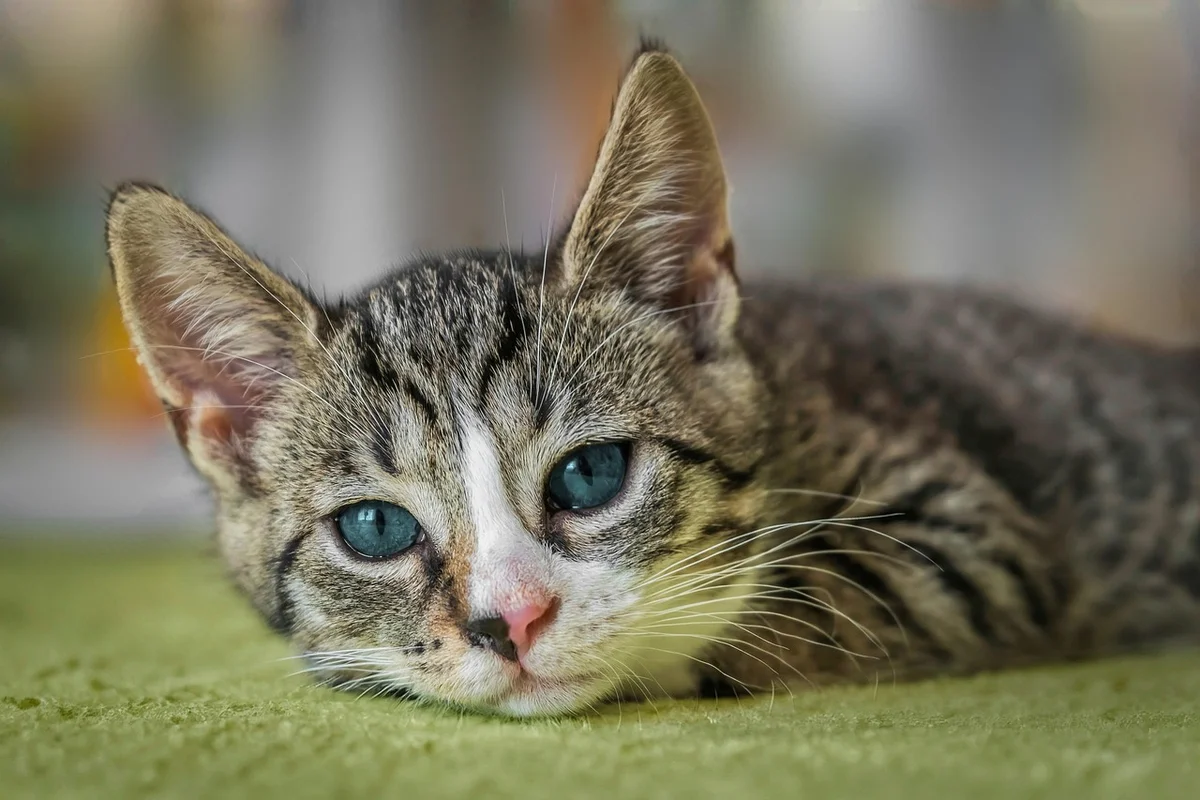
Safe Foods for Cats: What Human Foods Can Cats Eat?
While cats are obligate carnivores with specific dietary needs, certain human foods can be safely shared with your feline friend as occasional treats. Here's a comprehensive guide to safe foods for cats.
Protein Sources
Cooked Chicken
Plain, cooked chicken without skin, bones, or seasoning is an excellent protein source for cats.
- Benefits: High in protein, low in fat
- Serving: Small, boneless pieces
- Frequency: Can be given regularly as treats
Cooked Turkey
Similar to chicken, plain cooked turkey is safe and nutritious.
- Benefits: Lean protein source
- Warning: Avoid processed turkey with additives
Cooked Fish (In Moderation)
While cats love fish, it should only be an occasional treat.
- Safe options: Cooked salmon, tuna (in small amounts)
- Caution: Too much fish can lead to vitamin E deficiency
- Limit: Once or twice a week maximum
Cooked Eggs
Fully cooked eggs are a great protein source.
- Benefits: Complete amino acid profile
- Important: Never feed raw eggs (risk of salmonella and biotin deficiency)
Vegetables (In Small Amounts)
Cooked Pumpkin
Plain, cooked pumpkin is excellent for digestive health.
- Benefits: High in fiber, helps with constipation or diarrhea
- Serving: 1-2 teaspoons mixed with food
Cooked Peas
Frozen or cooked peas are safe in small quantities.
- Benefits: Vitamins and fiber
- Note: Many commercial cat foods include peas
Cooked Carrots
Soft, cooked carrots can be a healthy snack.
- Serving: Small, soft pieces
- Benefits: Beta-carotene and fiber
Steamed Broccoli
Plain steamed broccoli in tiny amounts.
- Benefits: Antioxidants
- Warning: Can cause gas; feed sparingly
Fruits (Rare Treats)
Blueberries
Fresh or frozen blueberries are safe in small amounts.
- Benefits: Antioxidants
- Serving: 1-2 berries as an occasional treat
Watermelon (Seedless)
Small amounts of seedless watermelon flesh.
- Benefits: Hydration
- Remove: All seeds and rind
Cantaloupe
A few small pieces without seeds or rind.
- Benefits: Vitamins A and C
- Note: Some cats enjoy the smell
Grains (Limited)
Cooked Rice
Plain white or brown rice in small amounts.
- Uses: Can help with upset stomach
- Serving: Mixed with regular food
Oatmeal
Plain, cooked oatmeal is safe but not necessary.
- Benefits: Fiber
- Note: Most cats aren't interested
Dairy (Use Caution)
Plain Yogurt
Small amounts of plain, unsweetened yogurt.
- Benefits: Probiotics for digestion
- Warning: Many cats are lactose intolerant
- Start: With tiny amounts to test tolerance
Cheese
Very small amounts as a rare treat.
- Types: Hard cheeses like cheddar
- Caution: High in fat and calories
- Limit: Tiny pieces only
Important Feeding Guidelines
General Rules:
- Moderation is Key: Treats should never exceed 10% of daily calories
- Introduce Slowly: New foods one at a time to watch for reactions
- Plain is Best: No seasonings, oils, butter, or sauces
- Cooked Not Raw: Most proteins should be thoroughly cooked
- Remove Hazards: All bones, seeds, pits, and skins
Preparation Tips:
- Cook without oils, butter, or seasonings
- Cut into small, bite-sized pieces
- Ensure food is cool before serving
- Mix with regular food when introducing new items
When to Avoid Human Food
Don't share human food if your cat:
- Has food allergies or sensitivities
- Is on a prescription diet
- Has digestive issues
- Is overweight
- Has specific health conditions
Always consult your veterinarian before making significant changes to your cat's diet.
Conclusion
While many human foods are safe for cats, remember that cats are obligate carnivores with specific nutritional needs. High-quality commercial cat food should always be the foundation of their diet. Human foods should only be occasional treats, not meal replacements.
When in doubt, stick to cat-specific treats and foods, or consult your veterinarian for personalized advice about your cat's diet.