
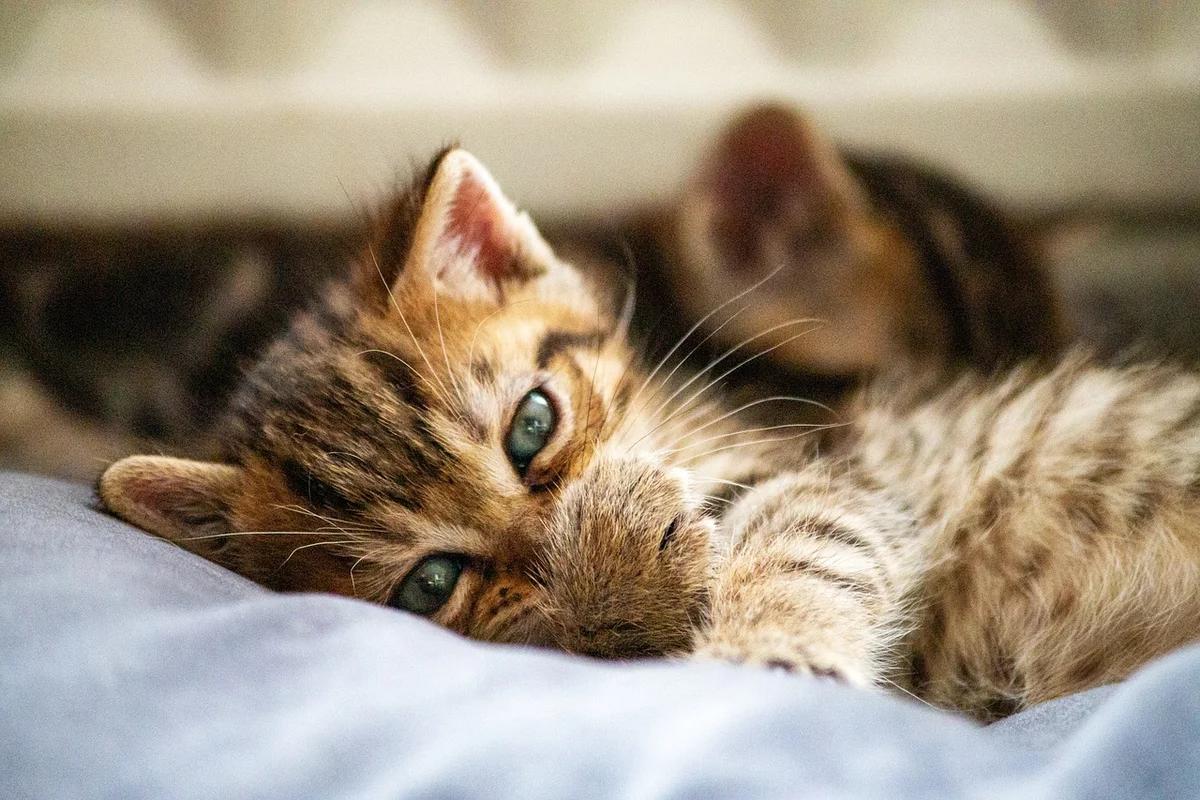
Cat Nutrition and Food Safety

Six practical guides for feeding cats safely.

Cat with food

Safe Foods for Cats

Cats are obligate carnivores. Safe foods should support protein needs.
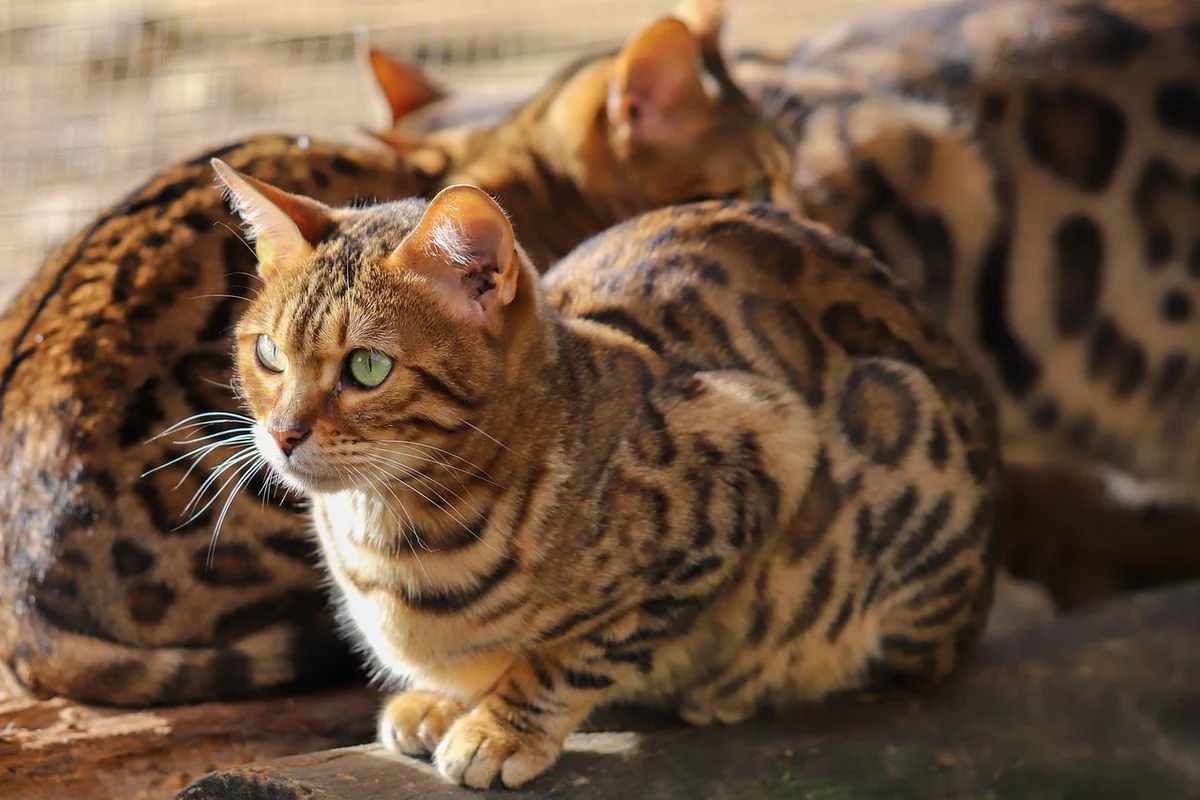
  • Cooked lean meats: chicken, turkey, fish.
  • Small amounts of pumpkin for digestion.
  • Limited dairy if tolerated.
Cat near table food

Toxic Foods to Avoid

These items can be dangerous or toxic to cats.
  • Onions, garlic, chocolate, grapes, raisins.
  • Alcohol, xylitol, and caffeine.
  • Cooked bones and heavily seasoned foods.
Cat feeding

Portion Planning

Weight, activity, and life stage guide daily portions.
  • Divide food into two or more meals.
  • Measure kibble to avoid overfeeding.
  • Adjust for indoor vs outdoor activity.
Cat treats

Treat Strategy

Keep treats under 10% of daily calories to avoid weight gain.
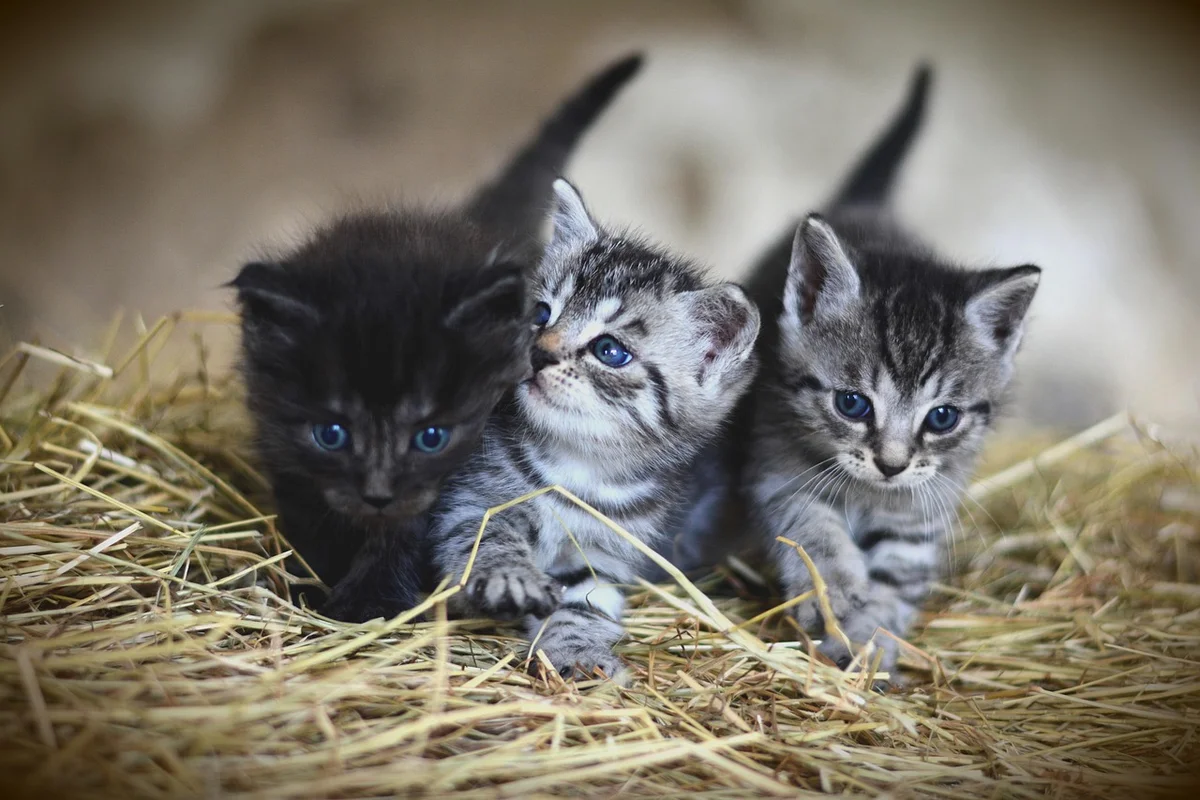
  • Use small treats for training or enrichment.
  • Try single-ingredient treats for sensitive cats.
  • Track calories from treats and toppers.
Kitten eating

Kitten Nutrition

Kittens need higher calories and protein for growth.
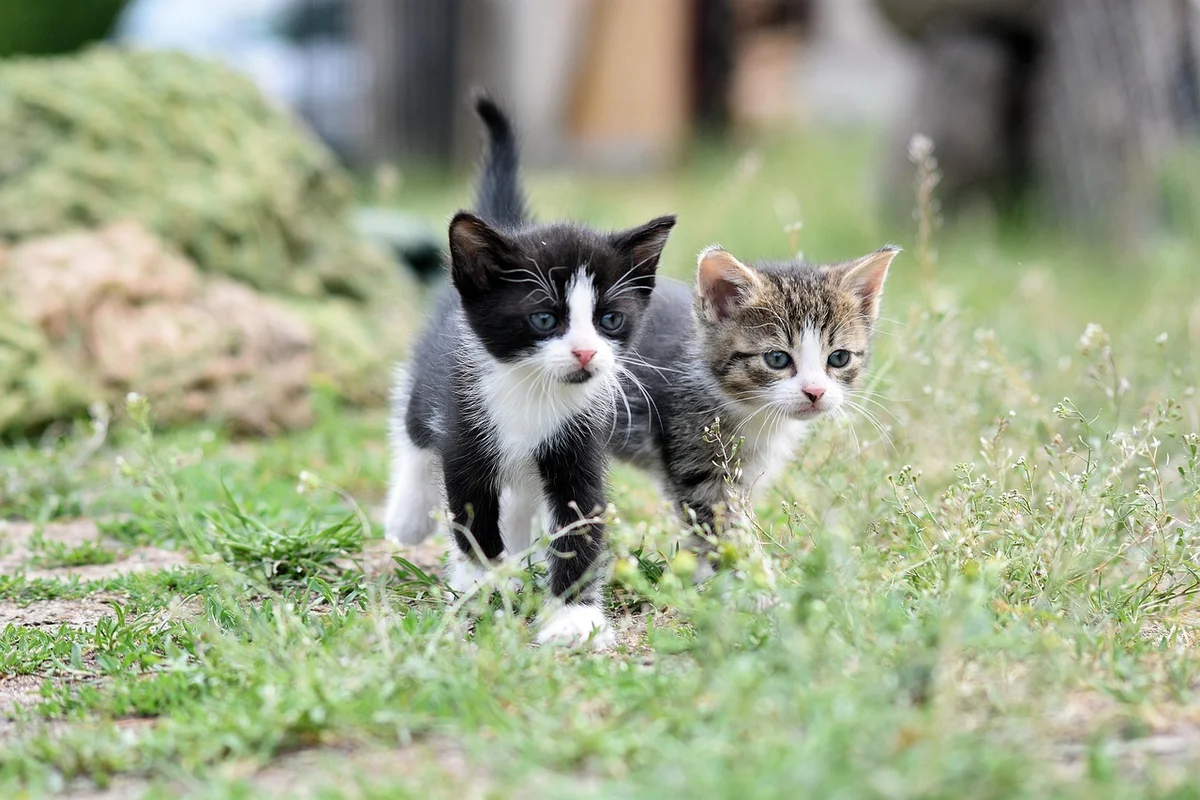
  • Choose kitten-formulated food until 12 months.
  • Feed three to four meals a day.
  • Gradually transition foods to avoid upset.
Senior cat eating

Senior Diet Adjustments

Older cats benefit from moisture-rich diets and careful weight monitoring.

  • Use wet food to support hydration.
  • Monitor appetite and activity changes.
  • Work with your vet on kidney or thyroid plans.