Dog Nutrition and Food Safety

Six essential guides to help you feed safely and confidently.

More Dog Nutrition Articles

View all ->
Dog with food bowl

Safe Foods for Dogs

Many whole foods are safe in moderation, especially when unseasoned and cooked properly.

  • Lean meats: cooked chicken or turkey without skin.
  • Vegetables: carrots, green beans, pumpkin.
  • Fruits: blueberries, apple slices without seeds.
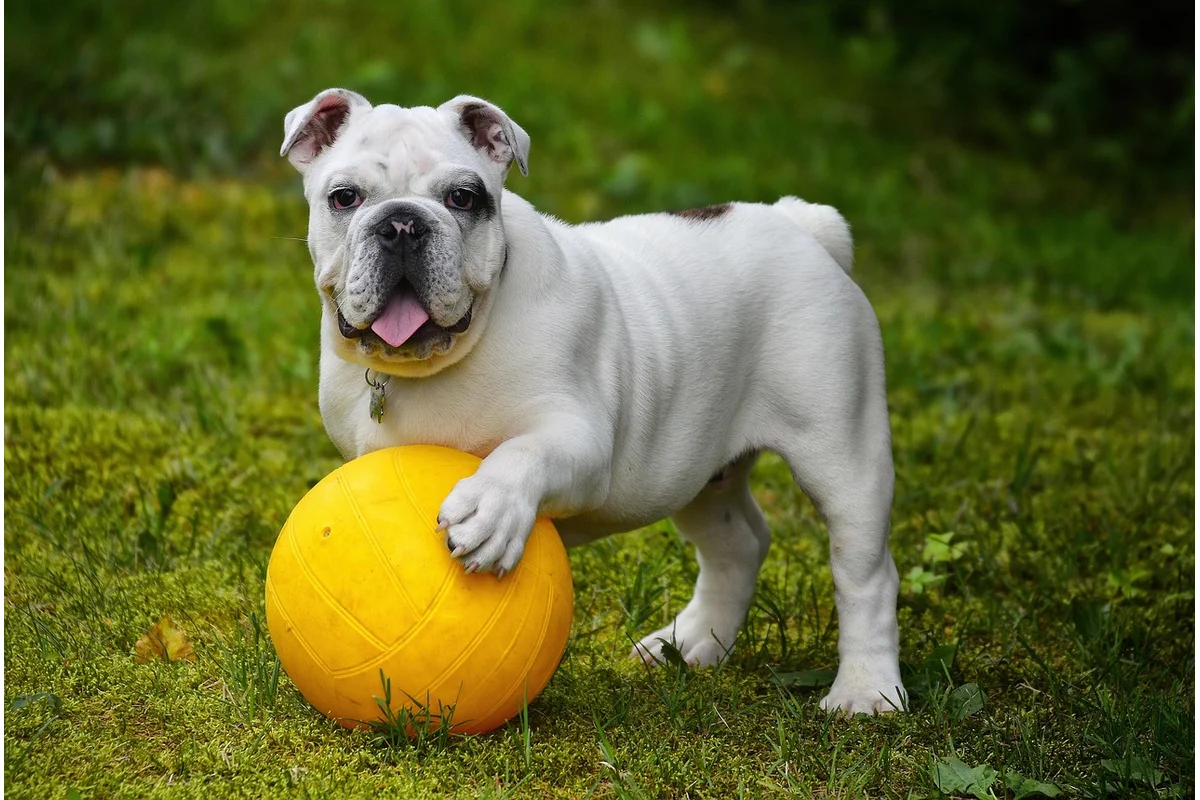
Dog looking at table food

Toxic or Risky Foods

Avoid these foods entirely and keep them out of reach.

  • Grapes, raisins, onions, garlic, and chocolate.
  • Xylitol and sugar-free sweeteners.
  • Cooked bones, alcohol, and excess salt.
Measuring dog food

Portion Planning

Use weight, activity, and life stage to guide daily portions. Adjust weekly based on body condition.

  • Split meals into two or three feedings.
  • Track treats as part of total calories.
  • Use a measuring cup for consistency.
Dog treat reward

Healthy Treat Strategy

Keep treats under 10% of daily calories to avoid weight gain.

  • Use small, soft treats for training sessions.
  • Offer fruits or veggies as low-calorie rewards.
  • Limit high-fat treats to occasional use.
Puppy eating

Puppy Nutrition Essentials

Puppies need more calories, protein, and balanced minerals to support growth.

  • Use puppy-formulated food for the first year.
  • Feed three meals per day until 6 months.
  • Gradually transition foods to prevent upset.
Senior dog resting

Senior Diet Adjustments

Older dogs may need fewer calories but higher-quality protein and joint support.

  • Monitor weight and body condition monthly.
  • Consider joint-friendly supplements if advised.
  • Keep hydration consistent with fresh water.