
Rabbit Nutrition and Food Safety

Six guides for building a safe, balanced rabbit diet.

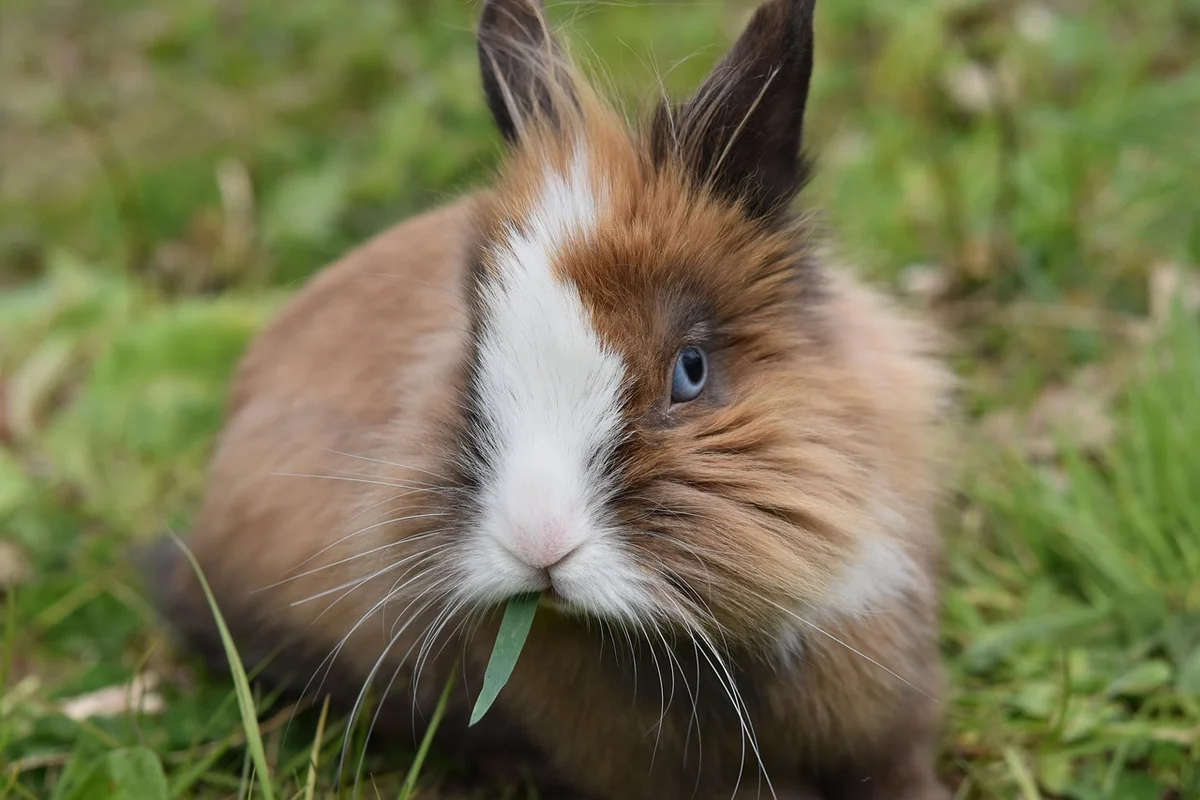
Rabbit with hay

Hay Essentials

Hay supports digestion and dental health. It should make up most of a rabbit's diet.
  • Offer unlimited timothy, orchard, or meadow hay.
  • Replace daily to keep it fresh and dry.
  • Alfalfa hay is best for young rabbits.
Rabbit pellets

Pellet Portions

Pellets are concentrated, so measure carefully based on weight.
  • Average: 1/4 cup per 5 lbs of body weight.
  • Choose high-fiber, timothy-based pellets.
  • Limit mix-ins and colorful treats.
Leafy greens

Safe Vegetables

Leafy greens add nutrients and variety. Rotate to reduce digestive upset.
  • Romaine, cilantro, parsley, and basil are common staples.
  • Introduce new veggies slowly.
  • Avoid iceberg lettuce and high-sugar options.
Rabbit treats

Treat Limits

Fruit and treats should stay minimal to protect gut health.
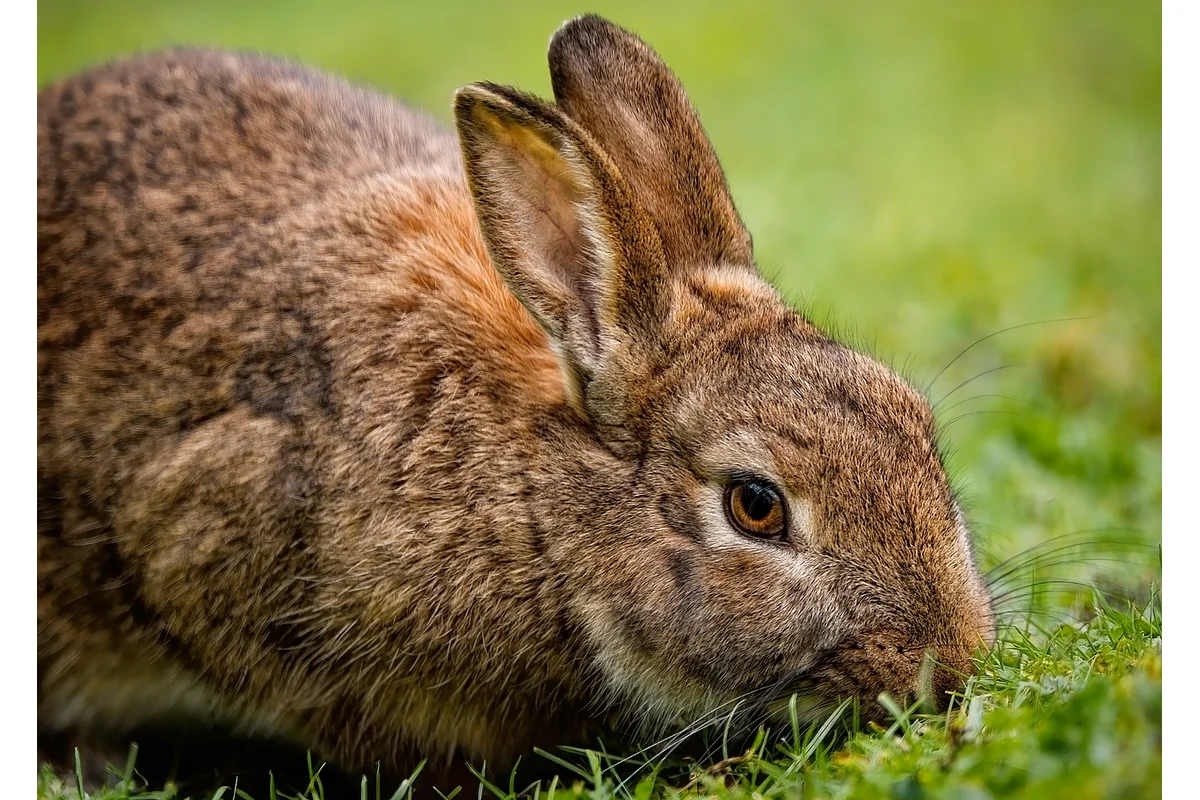
  • Limit fruit to small portions a few times a week.
  • Avoid yogurt drops and sugary snacks.
  • Use fresh herbs as low-sugar rewards.
Rabbit eating

Feeding Schedule

Rabbits graze throughout the day. Keep hay available and space out pellets and greens.
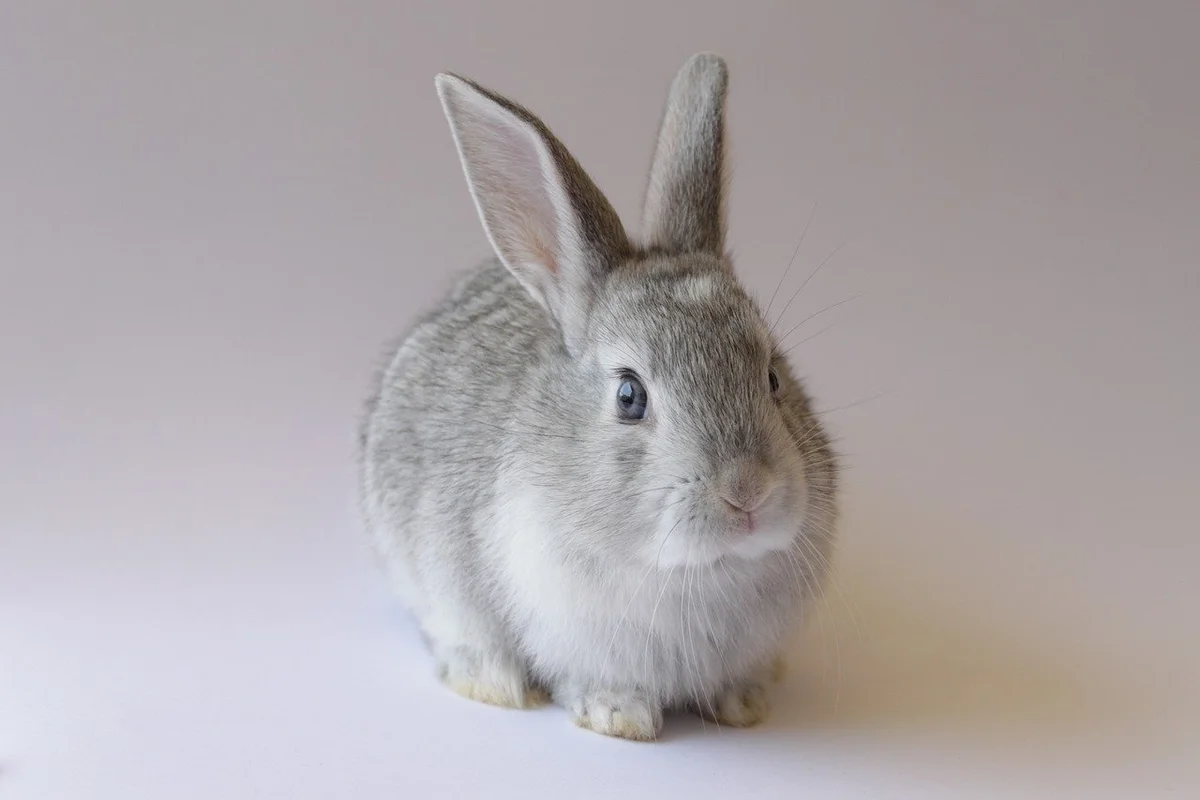
  • Offer pellets once daily and greens twice daily.
  • Monitor stool output and appetite.
  • Adjust portions for weight changes.
Rabbit drinking water

Hydration Tips

Fresh water supports digestion and reduces urinary issues.

  • Bowls encourage higher water intake than bottles.
  • Clean bowls daily to prevent bacteria buildup.
  • Provide extra water during hot weather.